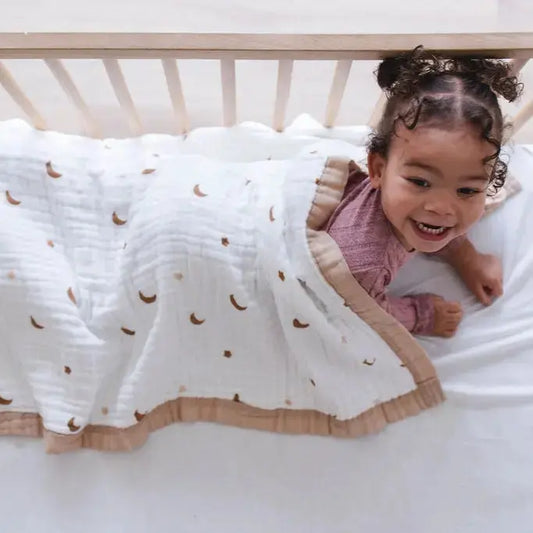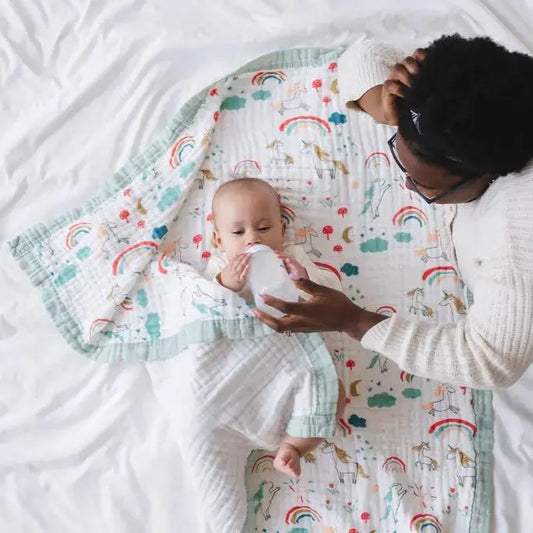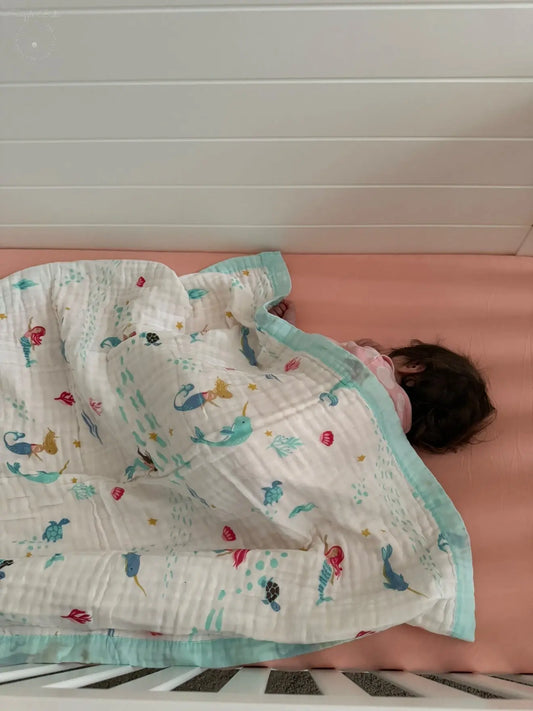


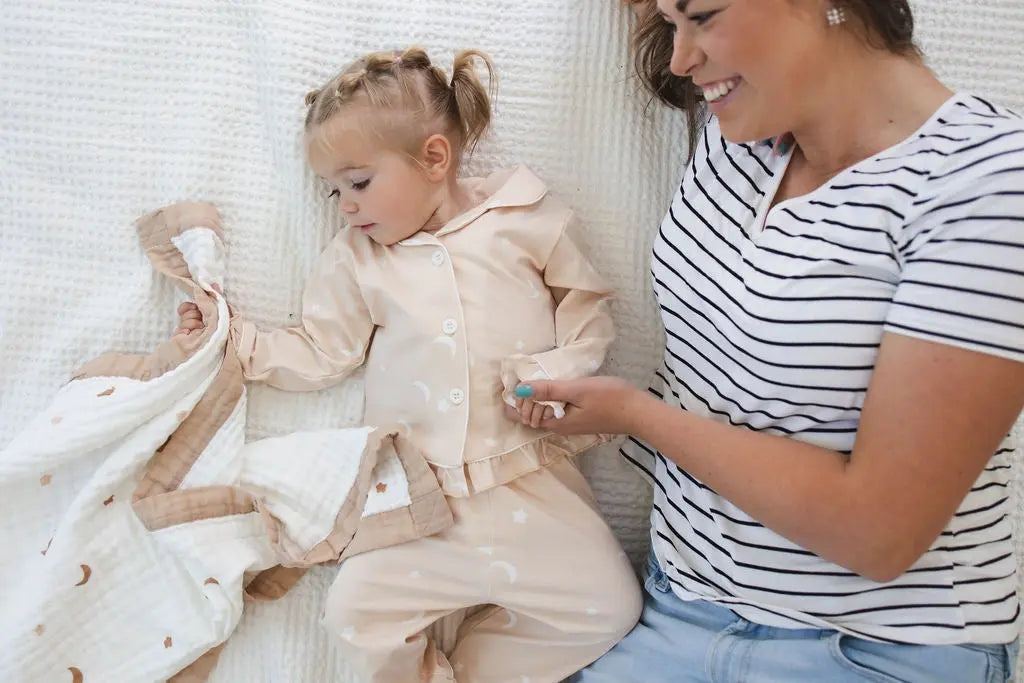
There’s a reason many toddlers refuse to leave the house without their favorite blanket.It goes to daycare, rides in the stroller, travels on flights, sits beside them at bedtime, and somehow becomes part of almost every comforting moment in childhood.At Snuggle Buds, parents tell us this all the time:
“My child won’t go anywhere without their blanket.”
And honestly?
There’s real science behind that attachment.A toddler security blanket is often much more than a soft piece of fabric. Research in child development suggests that comfort objects can help children feel emotionally secure, calm, and grounded as they navigate new experiences, transitions, and big emotions.As Airah’s mom, I noticed this naturally over time. What started as a breathable muslin cotton blanket slowly became something she reached for during naps, travel days, bedtime routines, and unfamiliar moments. The softness, familiarity, and routine around it became comforting for her.In this blog, we’ll explore:
- why toddlers become attached to blankets
- what psychologists call “comfort objects”
- how sensory familiarity supports emotional comfort
- why muslin cotton blankets are especially loved by toddlers
- how security blankets may support emotional regulation and transitions
What Is a Toddler Security Blanket?
A security blanket is a comfort object that helps children feel safe, calm, and emotionally secure.For toddlers, security blankets often become associated with:
- bedtime
- comfort
- routine
- sleep
- home
- emotional safety
This is why many children strongly prefer one specific blanket instead of any random blanket.They recognize:
- the softness
- the texture
- the smell
- the familiar feeling against their skin
Over time, that familiarity itself becomes comforting.Many parents worry that attachment to a toddler security blanket is unhealthy, but child development experts generally consider comfort objects a normal part of emotional development.External resource:
American Psychological Association
What Is a Comfort Object?
Child psychologist Donald Winnicott introduced the term “transitional object” to describe an item that helps children transition from dependence toward independence.These comfort objects are often:
- blankets
- loveys
- stuffed animals
- soft toys
Research suggests these objects may help children:
- self-soothe
- manage stress
- navigate transitions
- feel emotionally grounded
- adapt to unfamiliar environments
This is one reason many toddlers instinctively reach for their blanket during:
- bedtime
- daycare drop-offs
- travel
- overstimulation
- unfamiliar routines
Helpful resource on comfort objects:
University of Wisconsin Parenting Resources
Why Do Toddlers Get Attached to Blankets?
Familiarity Feels Safe
Young children rely heavily on predictability and sensory familiarity.A familiar blanket becomes comforting because toddlers recognize:
- the texture
- the softness
- the scent
- the routine associated with it
That sensory familiarity can help toddlers feel emotionally secure during stressful or unfamiliar moments.This is why many toddlers:
- rub the blanket on their face
- hold corners while sleeping
- carry it around the house
- ask for it when upset or tired
The blanket itself becomes emotionally meaningful.
The Sensory Comfort Behind Favorite Blankets
Children experience the world heavily through sensory input.Textures, sounds, smells, and routines all influence how emotionally safe and regulated they feel.A sensory comfort blanket provides gentle tactile familiarity that many toddlers naturally gravitate toward.For some children, the blanket becomes part of:
- calming routines
- emotional regulation
- bedtime transitions
- travel comfort
- self-soothing habits
Without making medical claims, it’s clear that familiar sensory experiences often help children feel more settled and emotionally secure.
Why Muslin Cotton Blankets Are Especially Loved by Toddlers
Not all blankets feel the same.At Snuggle Buds, we intentionally created our blankets using 100% muslin cotton because we wanted something breathable, soft, lightweight, and gentle enough for sensitive skin.Over time, many parents noticed something unexpected:
their toddlers became deeply attached to the feel of the blanket itself.
Why Muslin Cotton Feels Different
Muslin cotton naturally offers:
- breathable comfort
- lightweight layering
- softness that increases over time
- gentle texture variation
- comfort without heaviness
Unlike overly plush or stiff materials, muslin feels soft and familiar without overwhelming the senses.That’s one reason many parents tell us their child:
- sleeps better with it
- carries it everywhere
- reaches for it during travel
- uses it as part of bedtime routines
Related reading:
How to Create a Calming Baby Bedtime Routine with a Muslin Blanket
Why “Gets Softer With Every Wash” Matters
Parents often think “gets softer with every wash” is simply a product feature.But emotionally, it may matter much more than that.As a blanket becomes softer over time, it becomes:
- more familiar
- more comforting
- more associated with routine
- emotionally recognizable
That evolving softness may strengthen emotional attachment because the blanket becomes connected to daily comforting experiences.For many toddlers, their favorite blanket becomes part of:
- bedtime rituals
- naps
- cuddles
- family trips
- moments of reassurance
That emotional familiarity is powerful.
How Security Blankets Help During Transitions
Transitions can feel overwhelming for toddlers.Young children thrive on routine and predictability, which is why familiar comfort objects often become especially important during periods of change.A toddler security blanket may help children feel more emotionally grounded during:
- starting daycare
- moving to a toddler bed
- airplane travel
- long car rides
- staying with grandparents
- doctor visits
- new environments
At Snuggle Buds, many parents specifically tell us they pack the blanket for travel because their toddler associates it with comfort, sleep, and familiarity.As a mom whose daughter Airah has traveled extensively since infancy, I completely understand why.Sometimes a familiar blanket becomes a little piece of “home” toddlers can carry with them.
Signs Your Toddler Has a Comfort Object
Attachment to a comfort object is incredibly common during toddlerhood.Some signs include:
- carrying the blanket everywhere
- sleeping with it every night
- rubbing it on their face
- calming faster when holding it
- asking for it during stressful moments
- strongly preferring one specific blanket
For most children, this type of attachment is considered developmentally normal.
How Parents Can Support Healthy Attachment
A comfort blanket can become part of a healthy emotional routine.Many parents support this naturally by:
- incorporating it into bedtime routines
- using it during travel
- bringing it to daycare
- allowing familiarity during transitions
- washing it regularly while maintaining consistency
Most children naturally become less dependent on comfort objects as they grow older.
Why We Created Snuggle Buds
Snuggle Buds began because I struggled to find the right blanket for Airah.She had sensitive skin and eczema, and so many blankets felt:
- too heavy
- too rough
- too synthetic
- or simply not breathable enough
I wanted something:
- soft
- breathable
- comforting
- gentle on sensitive skin
- and cozy enough for everyday life
What surprised me most was how emotionally attached children became to these blankets over time.Parents constantly tell us:
“It became their favorite blanket.”
And honestly, that may be one of the most meaningful compliments we could ever receive.Explore our collection here:
Snuggle Buds Baby
Final Thoughts on Toddler Security Blankets
A toddler security blanket is often much more than a bedtime accessory.Research suggests comfort objects may support:
- emotional regulation
- sensory familiarity
- self-soothing
- transitions
- feelings of emotional security
- confidence during new experiences
For toddlers, a favorite blanket can become part of their emotional world.And for parents, it often becomes part of some of childhood’s sweetest memories too.At Snuggle Buds, we believe comfort matters deeply — not just physically, but emotionally as well.Because sometimes the blanket they carry everywhere is helping them feel safe, familiar, and at home.
FAQs About Toddler Security Blankets
Is it normal for toddlers to have a security blanket?
Yes. Many toddlers become attached to comfort objects like blankets or stuffed animals. Child development experts generally consider this a normal part of emotional development.
What is a comfort object?
A comfort object, also called a transitional object, is an item that helps children feel emotionally secure during periods of growth, independence, or change.
Why do toddlers carry blankets everywhere?
Toddlers often carry blankets because they provide familiarity, sensory comfort, emotional reassurance, and predictable routine.
Are muslin cotton blankets good for toddlers?
Muslin cotton blankets are popular because they are breathable, lightweight, soft, and gentle on sensitive skin. Many toddlers also enjoy the familiar texture and softness over time.
Can a security blanket help toddlers sleep better?
Many toddlers associate their favorite blanket with comfort and bedtime routines, which may help them feel calmer and more settled during sleep.